

Building the Technical Armor: Why IT Infrastructure and VAPT are Central to DPDPA Compliance
The Digital Personal Data Protection Act (DPDPA) has fundamentally changed how businesses in India must handle personal data. While much of the initial conversation has focused on legal frameworks, the law explicitly mandates “Reasonable Security Safeguards” to prevent data breaches.
In 2026, a legal policy alone will not stop a sophisticated cyberattack; your IT infrastructure will. At CosmicTech, we believe that true compliance is impossible on outdated infrastructure. We bridge the gap between legal mandates and technical reality by providing the “technical armor” your enterprise needs to stay resilient.
The Cost of Non-Compliance
The stakes for failing to secure personal data are higher than ever. Serious non-compliance, such as inadequate security measures, can result in penalties reaching up to ₹250 crore per breach. For small and medium enterprises (SMEs), your IT setup—including servers, Wi-Fi, and laptops—is a critical part of this compliance equation.
A 3-Step Infrastructure Hardening Process
To meet the strict security standards of the DPDPA, CosmicTech employs a phased approach to fortifying your technical environment:
- Precision VAPT (Vulnerability Assessment and Penetration Testing): We go beyond simply finding bugs. Our advanced VAPT identifies specific vulnerabilities that put the personal data you hold at risk.
- Infrastructure Modernization: We upgrade legacy firewalls, switches, and servers. This ensures your hardware can support the encryption and detailed access logs required for accountability under the Act.
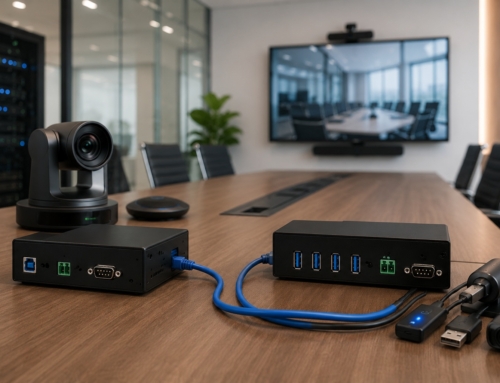
- Secure Collaboration Deployment: We implement secure endpoints and software-defined hubs, such as Zoapi, to ensure sensitive data does not leak during internal or guest meetings.
Frequently Asked Questions (FAQ)
Q1: Is VAPT mandatory under the DPDPA? While the Act doesn’t use the specific term “VAPT,” it mandates that all Data Fiduciaries must implement “reasonable security safeguards” to prevent personal data breaches. Industry standards and CERT-In guidelines suggest that periodic VAPT is the most effective way to prove these safeguards are active and effective.
Q2: Can I be fined if I have a privacy policy but my IT hardware is outdated? Yes. DPDPA focuses on actual data protection. If a breach occurs because of unpatched legacy systems or a lack of basic network security (even if your paperwork is perfect), your organization could be held liable for failing to provide adequate security safeguards.
Q3: How often should an SME conduct VAPT for DPDPA readiness? For most SMEs, an annual VAPT is a minimum requirement. However, if you update your software or change your network infrastructure, a fresh audit is recommended to ensure no new “backdoors” have been opened.
Q4: Does upgrading my Wi-Fi and Switches really help with legal compliance? Absolutely. Modern networking hardware allows for Network Segmentation. By isolating your guest Wi-Fi from the server where you store customer data, you drastically reduce the risk of lateral movement by hackers—a key requirement for “reasonable security.”
Q5: What is the difference between a Legal Audit and a Technical VAPT? A legal audit checks your contracts and consent forms. A Technical VAPT by CosmicTech checks your “digital locks.” You need both to be fully compliant; the law requires the policy, but the VAPT proves the policy is actually being enforced.
Conclusion: Bridging the Technical Gap
Our mission is clear: “We don’t write the DPDPA policies; we build the IT infrastructure that makes those policies actually work.” By segmenting guest and staff data and upgrading end-of-life hardware, we help secure the “physical layer” of your compliance posture.
Don’t wait for a penalty to be your first security audit. Protect your business and your data by starting your infrastructure upgrade today.