

The Death of the Dongle: Why Software-Defined Meeting Rooms are the New Enterprise Standard
In the modern corporate landscape, the most expensive asset isn’t the high-end furniture or the premium real estate – it is the first 10 minutes of every meeting.
We have all experienced the “friction gap”: that awkward window of time spent hunting for HDMI adapters, resetting proprietary dongles, or troubleshooting platform-locked hardware. For years, the “Hardware-First” approach was the only option. But as we move further into 2026, the era of proprietary “buttons” and physical connectors is being replaced by Software-Defined Collaboration.
As a leading IT integrator at CosmicTech, we are seeing a massive shift in how organizations prioritize their meeting equity. Here is why the “Software-Defined” approach led by Zoapi-is winning the boardroom war.
The Hidden Cost of the “Hardware-First” Era
Traditional wireless presentation systems (WPS) were revolutionary a decade ago. However, they often create a single point of failure in a hybrid work environment.
- The Maintenance Loop
If a proprietary dongle is lost, broken, or lacks the correct port for a visitor’s modern laptop (e.g., USB-C vs. older HDMI), the meeting effectively halts. This “Hardware Lock-in” forces IT teams into a cycle of constant inventory management and cable replacement.
- The Platform Barrier
Most hardware-centric bars are optimized for one specific ecosystem. Switching from a Microsoft Teams call to a Zoom or Webex meeting often involves “peripheral mode” lag or complex re-cabling, leading to user frustration and increased support tickets.
Why Zoapi is Redefining the Standard
Zoapi stands out by moving the intelligence of the meeting room into the Software Layer. By treating the meeting room as a flexible software endpoint rather than a static hardware box, organizations gain three distinct strategic advantages:
Universal Accessibility (BYOD Perfection)
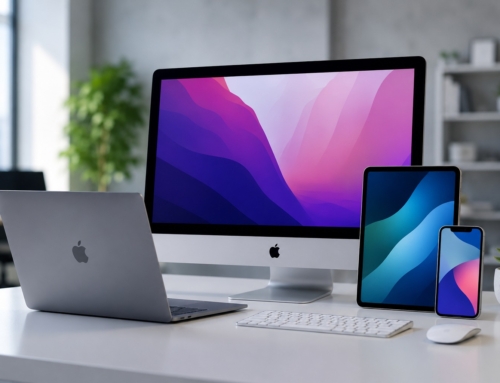
Whether a user is on Windows, macOS, Android, or iOS, they can share content in under 1 second. Zoapi supports the tools your team already uses: the Zoapi app, standard web browsers, AirPlay, and Miracast. There is no need for a guest to install complex drivers or plug in a shared (and often unhygienic) USB button.
Zero-Hardware Maintenance
By eliminating physical connectors and proprietary dongles, IT departments significantly reduce the “support debt” associated with meeting rooms. When there are no cables to break and no buttons to lose, uptime increases to near 100%.
Infinite Scalability (SaaS vs. CAPEX)
With Zoapi’s Hub Connect (SaaS) model, you can convert any existing mini-PC or NUC into a high-end conferencing hub. This allows for a massive reduction in CAPEX, enabling businesses to modernize dozens of rooms using their current hardware investments.
The Strategic Takeaway: Making Technology Invisible
Physical hardware creates boundaries; software creates entry points. For the modern CEO or IT Director, the goal is to make meeting technology invisible. When the barrier to entry is lowered to a single click, productivity naturally rises, and “Meeting Equity” becomes a reality rather than a buzzword.
At CosmicTech, we don’t just supply hardware; we architect the future of your workspace. Through our Technology Leasing and Managed IT Services, we help you transition from the friction of the past to the seamlessness of a software-defined future